Trump Administration Blocks Chinese Humanoid Robot Imports
The Trump administration has implemented restrictions on Chinese humanoid robots, escalating US-China competition in AI and robotics technology development.
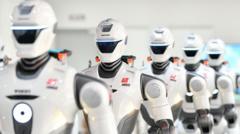
Trump Administration Enacts Restrictions on Chinese Humanoid Robots
The United States government under the Trump administration has announced comprehensive restrictions targeting Chinese humanoid robots, marking a significant escalation in the ongoing technological rivalry between Washington and Beijing. This measure reflects the intensifying competition between the two nations to establish dominance in the global artificial intelligence and robotics sectors.
Understanding the New Policy Framework
The ban specifically targets the importation and deployment of Chinese humanoid robots within the United States market. Officials stated that these restrictions aim to protect American technological advancement and ensure that critical robotic innovations remain within domestic hands. The policy represents a broader strategy to prevent what administration officials describe as potential vulnerabilities in national security related to advanced robotics technology.
Scope and Implementation Details
The restrictions encompass a wide range of humanoid robotic systems manufactured by Chinese companies. Enforcement mechanisms have been established through various federal agencies tasked with monitoring compliance. Companies operating in the robotics sector have been notified of the new requirements and must adjust their supply chains accordingly.
The Broader US-China Technology Competition
The United States and China are engaged in an unprecedented race to lead the world in robotics and artificial intelligence capabilities. This technological competition extends far beyond humanoid robots, encompassing semiconductor manufacturing, machine learning algorithms, and autonomous systems development. Both nations recognize that whoever achieves technological supremacy in these fields will wield considerable economic and strategic advantages in the coming decades.
China's Position in Global Robotics
Chinese manufacturers have made significant strides in humanoid robot development over recent years. Companies have invested billions in research and development, creating sophisticated robotic systems designed for industrial, commercial, and eventually consumer applications. These advances have positioned China as a formidable player in the international robotics market.
American Response and Strategy
The Trump administration's move reflects broader concerns about maintaining American leadership in critical technology sectors. Policymakers argue that protecting domestic innovation in humanoid robotics is essential for long-term competitiveness. The administration has indicated plans to invest in American robotics manufacturers to accelerate domestic innovation and reduce reliance on foreign technology.
Implications for the Technology Industry
The new restrictions will have far-reaching consequences for companies operating across multiple markets. American businesses that previously sourced Chinese humanoid robots will need to identify alternative suppliers or pivot toward domestic options. This disruption presents both challenges and opportunities within the technology sector.
Impact on Innovation and Development
Experts suggest that these restrictions may accelerate innovation within the United States by forcing companies to develop proprietary technologies. However, some analysts warn that limiting access to foreign innovations could potentially slow technological advancement in certain areas where Chinese competitors maintain advantages.
International Trade Considerations
The ban raises questions about international trade agreements and potential retaliatory measures from Beijing. Chinese officials are expected to respond to these restrictions through their own trade policies, potentially affecting American companies operating in China. The ongoing trade tensions underscore the increasingly competitive nature of global commerce in advanced technology sectors.
Looking Ahead: Future Developments
As the US-China technology race intensifies, additional restrictions and policies are likely to emerge. Both nations will continue investing heavily in robotics, artificial intelligence, and related technologies. The outcome of this competition will significantly influence global technology markets and international economic relationships for years to come.